Article
Is a free or AI personality test good enough for my leadership team?
For a bit of fun, sure. For a leadership team you're about to make real decisions about, I wouldn't. Most free quizzes and AI-generated profiles have never been tested to see whether they measure what they claim to, and a confident wrong read on someone can do more damage than no read at all.
I get why it's tempting. You can paste your team into an AI tool, or send everyone a free online quiz, and get back a detailed, confident-sounding picture of who everyone is and how to manage them. It's quick, it costs nothing, and if you're time-poor and curious about why your team isn't quite clicking, it feels like a shortcut. This is the work I do every day, so I want to walk you through why I'd think twice, and what helps instead.
Why does it matter which tool you use?
Because a profile is only ever as good as the tool behind it.
The one I use is Everything DiSC. It's a behavioural assessment, which means it looks at how people prefer to work, communicate and make decisions. People often call it a personality test, and some treat it a bit like a horoscope, but it's built and tested to describe behaviour at work. That difference matters more than most leaders realise.
A lot of the free versions borrow the same four letters and look very similar on screen. The difference is that most of them have never been validated. Nobody has checked whether they actually measure what they say they measure, or whether the same person would land in the same place if they did it again next month. They look like the real thing. They just haven't been tested.
AI-generated reads have the same problem, plus one more. They're built to sound sure of themselves. You'll get a beautifully written paragraph about each person whether the read underneath is right or not.
What's the harm in a wrong label?
This is the part I care about most. An inaccurate profile isn't harmless fun once a leader starts using it.
You read that someone on your team is "resistant to change" or "not a big picture thinker", and it sounds right enough, so you start leading them that way. You give the strategic piece to someone else. You brace for pushback before they've said a word. And a wrong label feels every bit as certain as a right one, so you never think to question it.
Meanwhile, the person on the other end feels it. They can tell they've been put in a box, and if the box is wrong, they stop trusting the whole exercise. Sometimes they stop trusting you a little bit too.
What changes when the assessment is validated?
The biggest difference is how people react when they read their own report.
When the assessment is accurate, something settles. People read it and think, yes, that's me. That moment of recognition is what makes them willing to be honest in the room, about how they like to work, what frustrates them and what they need from the people around them.
When the read is a little off, they write off the whole thing. And once someone has decided it's rubbish, you've lost them before the real conversation has even started.
Is the report enough on its own?
No, and this is where I'd push you hardest. The report was never the point.
A good profile gives a team a shared language. It helps people understand why the person across the table has always driven them a little mad, and why that person probably feels the same way about them. That's useful. But a shared language doesn't align a team on its own. It just makes the real conversation possible.
The value comes when a team sits together, sees how differently each of them is wired, and then talks honestly about how they're actually operating. What's working, what isn't, where they're strong and where they're exposed. That conversation needs someone in the room who can read the group, know when to let a silence sit, and turn "well, we're all just different" into "here's how we're going to work together from now on."
It ends with a team charter, an agreement the team writes about how they'll communicate, decide, disagree and hold each other to account. When a team writes it themselves off the back of a real conversation, they keep it.
Can it help when you're bringing someone new onto the team?
Yes, and it's one of the most useful ways to use it. When a new leader is joining a team, a validated profile shows you how they're likely to work with the people they're joining: where they'll click straight away, where there might be friction, and what each side needs to know early. That means you can set them up well from their first week instead of finding out three months in.
It also helps you see the gaps in the team you already have. Often the best addition is the style you keep missing, the one that balances the room, rather than another person who thinks the way you do. The profile won't make the hiring decision for you, and it shouldn't. What it does is help you plan the fit once you've found the right person.
So what would I do?
If you're curious about your team, that curiosity is a great instinct. Just point it at a tool that's been properly tested, and then don't stop at the report. The value is in what your team does with it together.
That's a big part of what I do. I run half-day team alignment sessions where your team gets an accurate read on how each of them works, has the honest conversation, and walks out with a charter they wrote themselves. If your team is good but you can feel there's another gear, send me a message.
And if you want a quick, free starting point on your own leadership in the meantime, try the Leadership Impact Scorecard.
This article is general information based on my experience. It isn't legal, financial or medical advice, and it isn't a substitute for professional support.
Quick answers
Is Everything DiSC a personality test?
No. Everything DiSC is a behavioural assessment. It looks at how people prefer to work, communicate and make decisions, which is what a team actually needs to understand to work well together.
Are free DiSC tests accurate?
Some might be, but most free versions have never been validated, so there's no way of knowing. They often use the same four letters as the real thing without the testing behind it.
What should a team do after everyone gets their profile?
Talk about it together, with someone skilled running the conversation. The profile is the shared language. The value comes from the honest conversation it opens up and the team charter you agree at the end.
Want to talk it through?
I work with leaders and their teams when things get complicated. Tell me what's going on and I'll reply within 24 hours.
Send me a message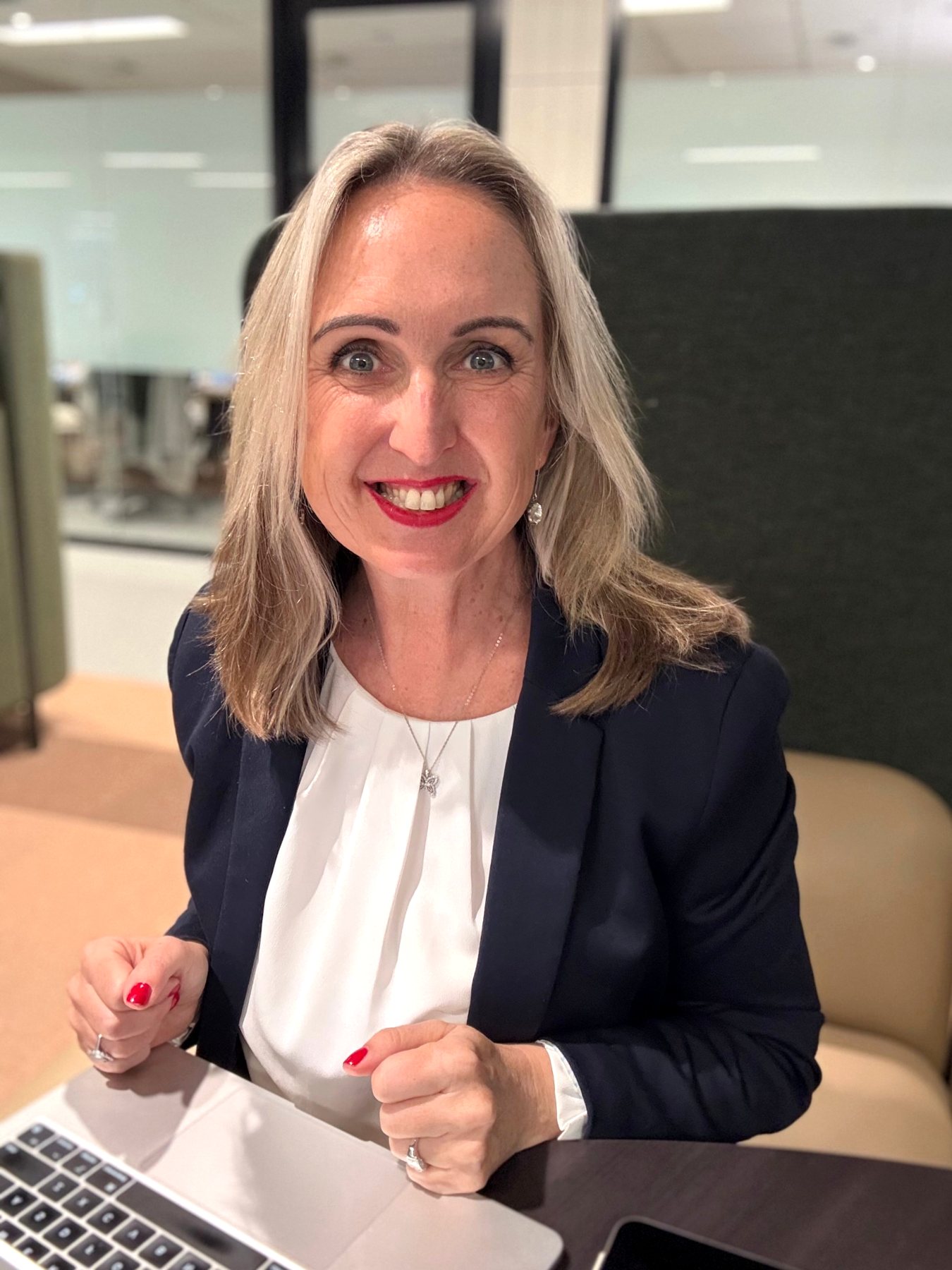
Gabby Horak is a Sydney-based executive coach and leadership team facilitator, and the founder of Leaders Impact. For twenty years she's worked alongside leaders and their teams across Australia, New Zealand and Asia Pacific.