Team alignment
Everyone's working hard. So why isn't your team pulling in the same direction?
I facilitate half days, full days and offsites for leadership teams across Australia, New Zealand and Asia Pacific. Your team leaves with a charter they wrote themselves and the first actions to back it up.
Send me a message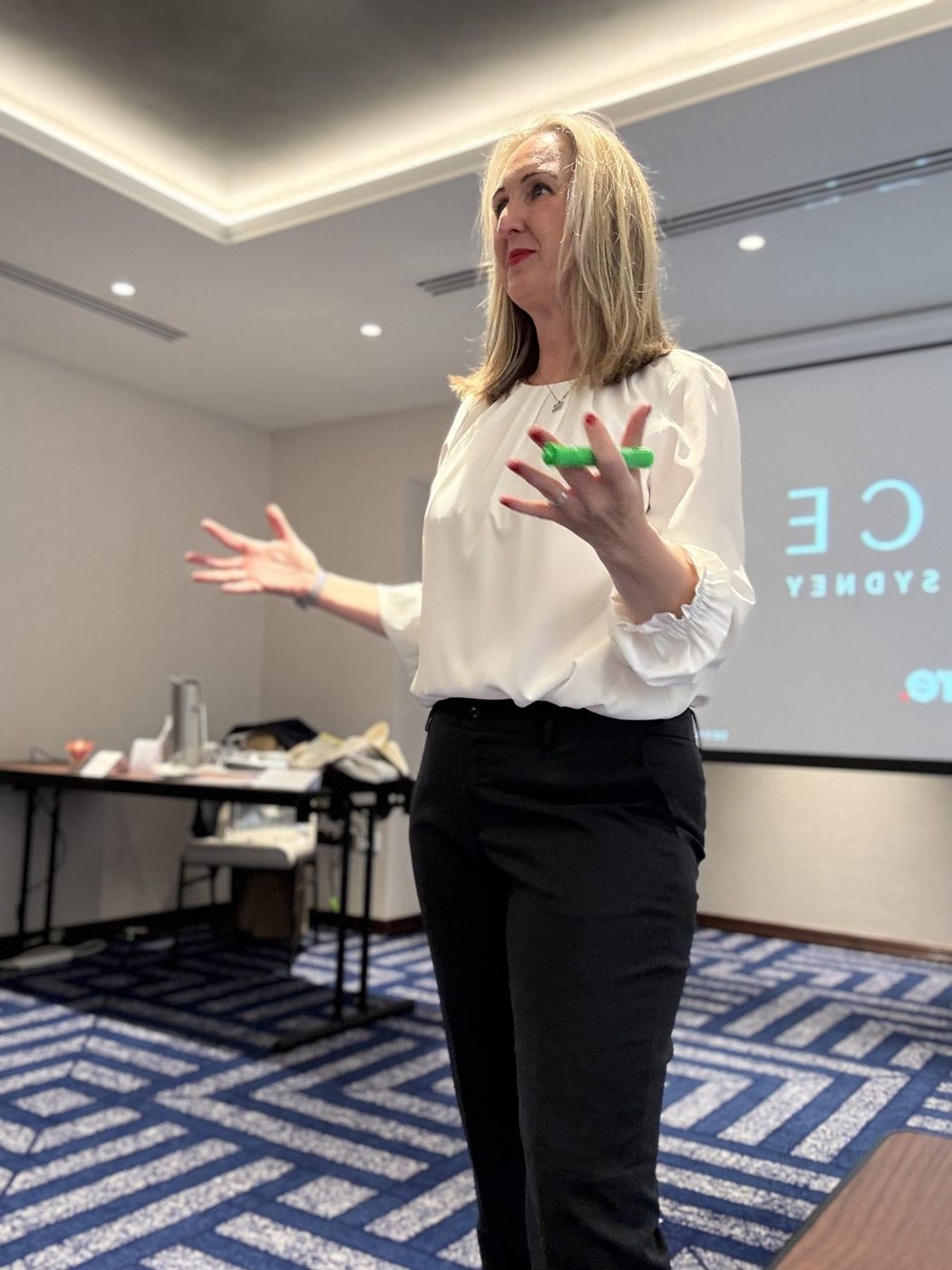
It happens to great teams too. Strong people, a solid strategy, and somewhere along the way the team stopped pulling the same way. That's rarely about talent. Most of the time it's about how the team works together, and that's something you can fix in a room.
Does this sound like your team?
These are the things I hear most from leadership teams before we work together:
- "We're working hard, but we're not pulling in the same direction."
- "Strategy keeps getting crowded out by firefighting."
- "The offsite was great. Then it got busy and the routines were the first thing cancelled."
- "Nobody really pushes back in the room anymore."
If one of those made you wince a little, you're in good company. They come up with excellent teams as often as they do with struggling ones.
Which kind of team do you have?
Before I design anything, I want to know which of three teams I'm walking into, because the fix is different for each one.
An unaligned team has never been aligned. There's a new leader, a new team, a merger or a restructure, and nobody has sat down and built one shared picture yet. It's a gap rather than a wound, so we build it once, deliberately.
A misaligned team is aligned, just to different things. More effort makes it worse, because you can't out-work being pointed in the wrong direction. We bring what's buried into the room and reset the direction together.
A high-performing team is already aligned and delivering and wants to be better across the board. Some of my favourite work is here. We sharpen how you decide, how you challenge each other and how you lead the layer below.
I've written more about this in what team alignment is, and how it's different from a team-building day.
What does a half day look like?
This is the running order I use with leadership teams. It's three and a half hours, morning tea included. Every session is designed around your team so the detail changes, but the bones stay the same.
- Welcome and objectives. What we're here to do, and what good looks like by lunchtime.
- Name tents. A quick way to build trust before anyone talks about work. It changes the temperature of the room.
- Morning tea, at the hour mark, on purpose.
- How you work. Your own style and what drives it, using Everything DiSC, a validated behavioural assessment.
- How you work together. How the styles on this team land on each other, where communication gets stuck, and the team's overall culture.
- Team charter and first actions. What do we want this team to be known for?
- Close and next steps. What we'll do differently from Monday, and how it flows into your regular meetings.
What about a full day or an offsite?
A full day goes further. I meet each leader one to one beforehand, so the day is built around the real issues rather than assumptions. Then we do the charter, your big rocks for the next 90 days, and the trade-offs you'll hold each other to. You get a written summary of outcomes, agreements and actions within ten business days.
If you're planning the day yourself, I've put together how to run a leadership offsite that changes Monday.
Can you run a session at our conference?
Yes. I facilitate sessions inside your event, from a leadership team of six to a packed conference room. I keep it practical and energetic, and everyone leaves with something written down that they've committed to.
What does the team leave with?
- A team charter they wrote in their own words: how they'll communicate, decide, disagree and hold each other to account. Here's what goes into a team charter that sticks.
- First actions with owners, so the day turns into something people actually do.
- A shared language for how each person works, so the next hard conversation goes better than the last one.
- A written summary after a full day, so nothing gets lost in the week after.
What's it like working with me?
I'm practical, I bring a lot of energy into a room, and I keep it real. I'll keep the day moving and I'll also make space for the honest conversation, because that's usually the one the team needs most. The compliment I'm hoping for at the end is "I feel clearer".
Sessions are in person, across Australia, and I travel for the right team, including New Zealand and Asia Pacific.
Planning an offsite, a leadership day or a conference session? Tell me about your team and send me a message. I'll reply within 24 hours.
What clients say
The offsite landed really well, and a big part of that was the way you facilitated the day. You created a great balance between keeping us moving and giving people space to have honest conversations and contribute.
Fast forward a few weeks and there is still a noticeable buzz running through the organisation, and Gabriella's individual follow up with participants has been both tailored and timely.
Quick answers
How long is a team alignment session?
I run them as a half day (three and a half hours, morning tea included) or a full day. A full day includes a one-to-one conversation with each leader beforehand and a written summary of outcomes within ten business days.
Is this the same as a team-building day?
No. A team-building day builds a good mood. Team alignment works on how the team decides, disagrees and delivers afterwards, and it ends with a written team charter and first actions.
Do you work with teams that are already high performing?
Yes. Some of my favourite work is with teams that are aligned and delivering and want to be better across the board.
Where do you run sessions?
In person, across Australia. I also travel for the right team, including New Zealand and Asia Pacific.
Want to talk it through?
Tell me a little about what's going on and I'll reply within 24 hours.
Send me a message