Article
How do you run a leadership offsite that actually changes Monday?
A leadership offsite changes Monday when you decide the one outcome you need before the day, build trust before anyone talks about work, make room for the honest conversation, and leave with a written agreement that has names and dates on it. Then you keep coming back to it for the next 90 days. Most offsites skip the first and the last of those, and that's why the energy is gone by Friday.
I've designed a lot of these, from half days with six people to full days with a whole leadership group. Here's how I think about them.
What should you decide before the offsite?
The most useful question to answer before you book a venue is this: what do we want to be different on Monday? One thing, two at most. If you can't answer it, the day will fill itself with updates.
A few other things are worth settling early:
- Who's in the room. The team that actually has to work together, and nobody there just to observe.
- What you already know. Is the team unaligned, misaligned, or already performing well and wanting to be better? The design is different for each.
- What the leader is willing to hear. If there's a topic that's off limits, say so up front. A facilitator can work with that. What doesn't work is finding out halfway through the morning.
- Half day or full day. A half day is plenty for a focused alignment. A full day gives you room for strategy or a second big topic as well.
I also like everyone to do their behavioural profile before the day, so the time in the room goes on talking, not filling in forms.
What does a good half-day run sheet look like?
Every team is different, but the shape I come back to looks like this.
Start with name tents. Everyone writes a few things about themselves on their name tent that have nothing to do with their role, and we go round the room. It's a quick way to build trust before anyone talks about work. I've seen capable teams who had gone quiet with each other after a lot of change, and this is often the first time in months they've laughed together.
Give the team a shared language. We walk through each person's Everything DiSC profile and look at the team as a whole. Where are we strong? Who do we keep missing? People stop taking each other's style personally once they can see it.
Have the honest conversation. This is the part the day is really for. How are we actually working right now? What's getting in the way? What do we keep avoiding? My job here is to keep the day moving and still give people room to say the honest thing. That balance is most of what a facilitator is for.
Write the team charter. The team agrees, in its own words, how it will communicate, decide, disagree and hold each other to account. Some teams need the other side too: what's out of bounds, because people keep overstepping and nobody names it.
Close on commitments and owners. Three or four things the team will do differently, each with a name next to it and a date. If it doesn't have an owner, it won't happen.
What happens in the 90 days after?
This is where most offsites fade away, and it's the part leaders tend to under-plan. The day creates the agreement, and the weeks after decide whether anyone lives by it.
In the first 30 days, lock the charter. Send it round for one last pass, then call it final. Put it on the standing agenda of your leadership meeting, even for five minutes. I've written more about how to write a team charter that sticks.
By 60 days, check in on the commitments. Which have moved? Which have stalled, and why? This is also the moment to notice who is carrying more than their share.
By 90 days, come back together, even for an hour. What's different? What do we want to keep, change or drop from the charter?
What are the mistakes that waste an offsite?
I see the same few, over and over.
An agenda stuffed with updates. If the day is mostly people presenting their area, you've spent a lot of money on a long meeting. Updates can go in an email.
No facilitator. When the leader runs the day, they can't also be a participant, and the team will always be a bit careful about what they say in front of the boss. Having someone outside the hierarchy changes what people are willing to put on the table.
Nothing written down. If the team leaves with a good feeling and no agreement, the old patterns are back within a fortnight. Write it down, in their words, before anyone leaves the room.
Trying to fix everything in one day. The best offsites feel like the start of something. Pick the one or two things that matter most and do them properly.
Where do I run these?
I facilitate leadership offsites, team alignment days and conference sessions in person, as half days and full days, across Australia, New Zealand and Asia Pacific. If you're starting to plan one, it's worth a conversation before the agenda gets locked in.
If you're running it yourself, the Leaders Impact toolkit has what I use on the day, including the Team Charter Framework and The Trust Tent, plus free icebreakers for the warm-up. And if this sounds like the offsite you need, send me a message.
This article is general information based on my experience. It isn't legal, financial or medical advice, and it isn't a substitute for professional support.
Quick answers
How long should a leadership offsite be?
A half day is enough for a focused team alignment session with a charter at the end. A full day works when you also need time for strategy or a second big topic.
Should a leader facilitate their own offsite?
It's hard to do well. The leader can't run the room and take part at the same time, and people tend to hold back in front of the boss. An outside facilitator lets everyone, including the leader, be a participant.
How do you make sure an offsite actually sticks?
Leave with a written team charter and three or four commitments, each with an owner and a date. Put the charter on the standing leadership agenda and check back in at 30, 60 and 90 days.
Want to talk it through?
I work with leaders and their teams when things get complicated. Tell me what's going on and I'll reply within 24 hours.
Send me a message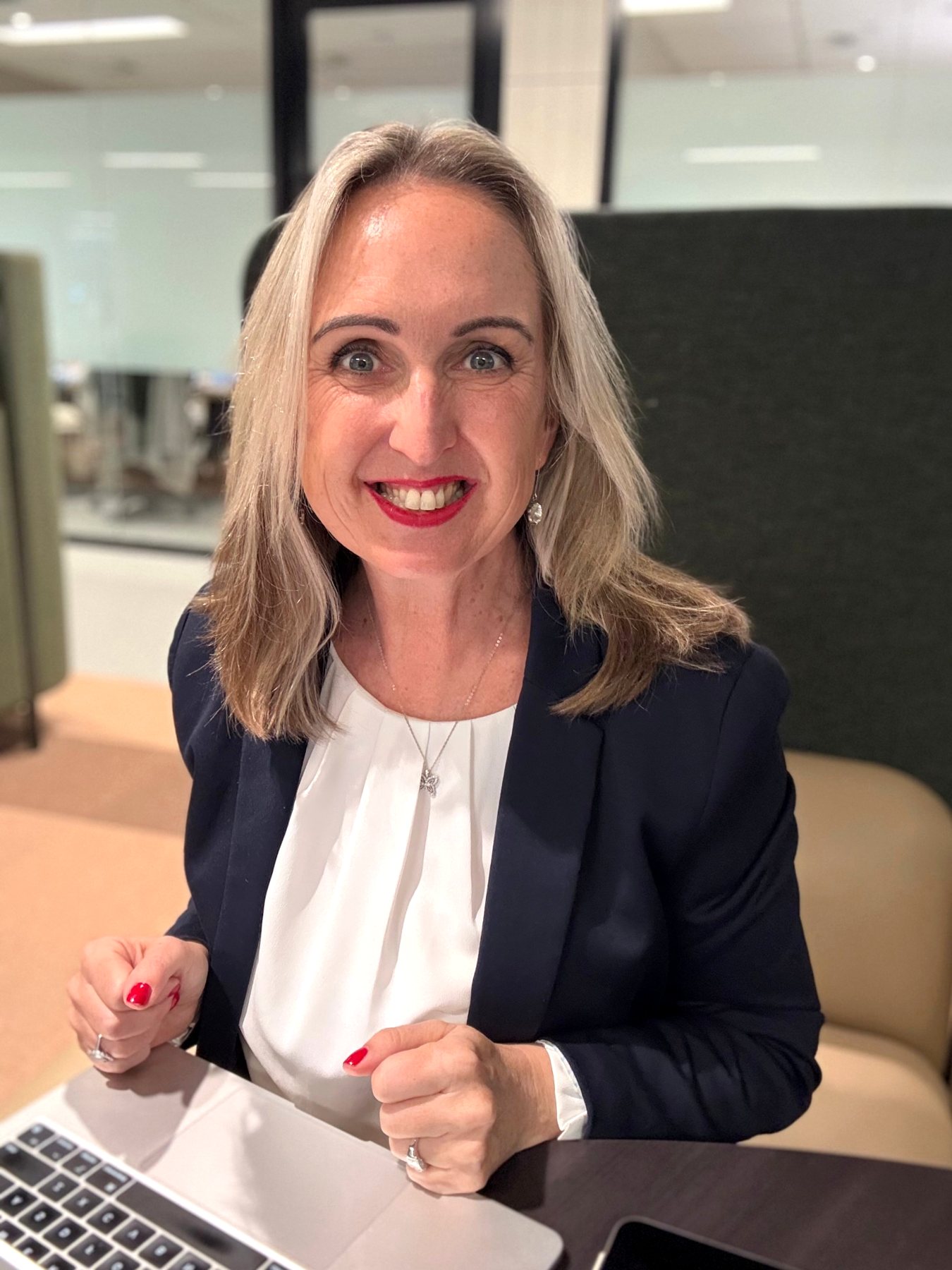
Gabby Horak is a Sydney-based executive coach and leadership team facilitator, and the founder of Leaders Impact. For twenty years she's worked alongside leaders and their teams across Australia, New Zealand and Asia Pacific.